Aluminum Fence Systems: A Selection Guide
Selecting the right aluminum fence system is critical for ensuring long-term structural integrity, architectural harmony, and security. This guide outlines the core considerations for engineers, architects, and procurement teams.
1. Material & Alloy Selection
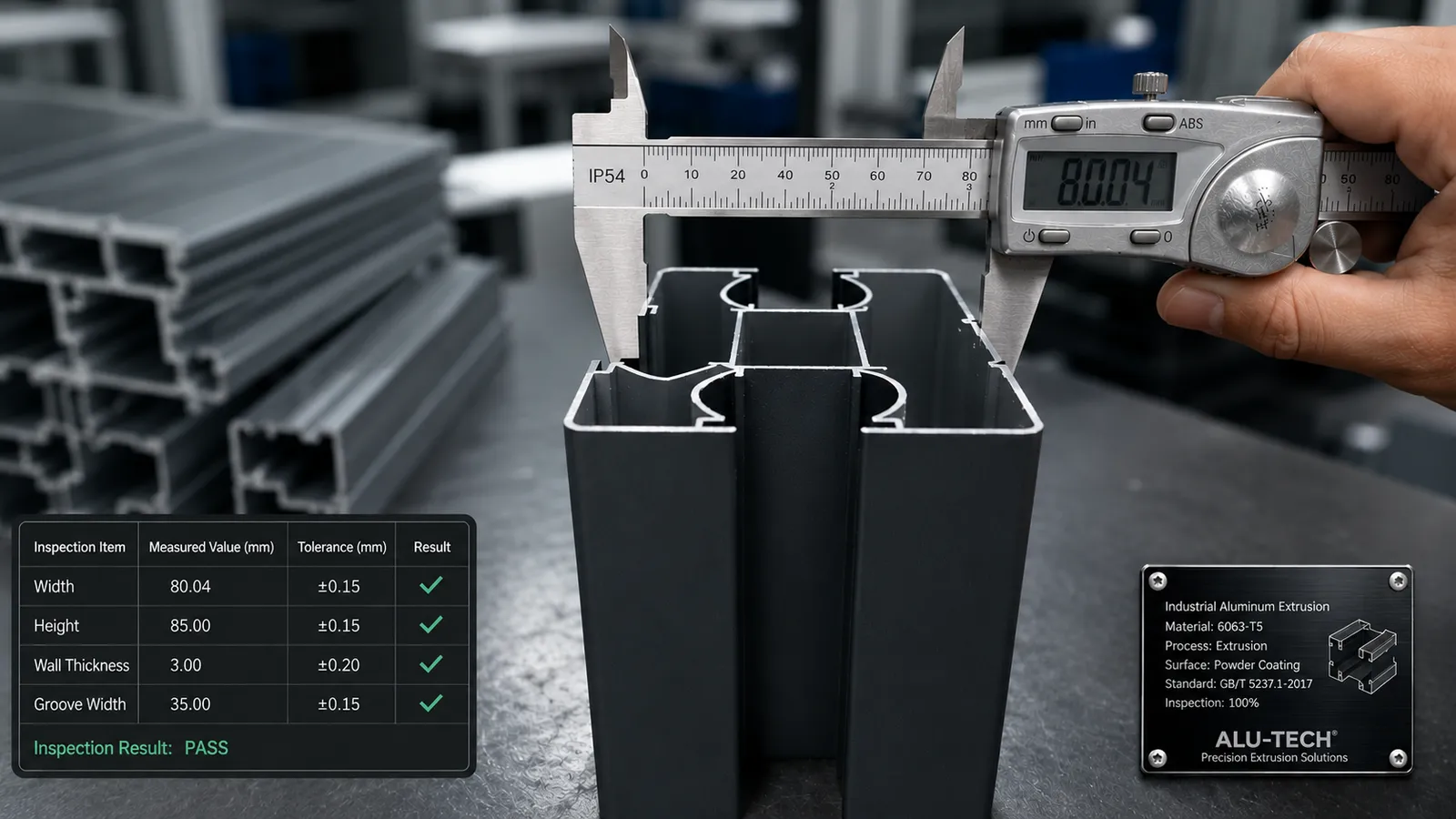
The foundation of any durable fence system is the alloy. We primarily utilize 6063-T5 and 6061-T6 aluminum alloys. 6063 offers excellent extrudability and surface finish capabilities, ideal for architectural applications. For high-security or extreme wind-load environments, reinforced alloys provide the necessary yield strength.
2. Fence System Comparison
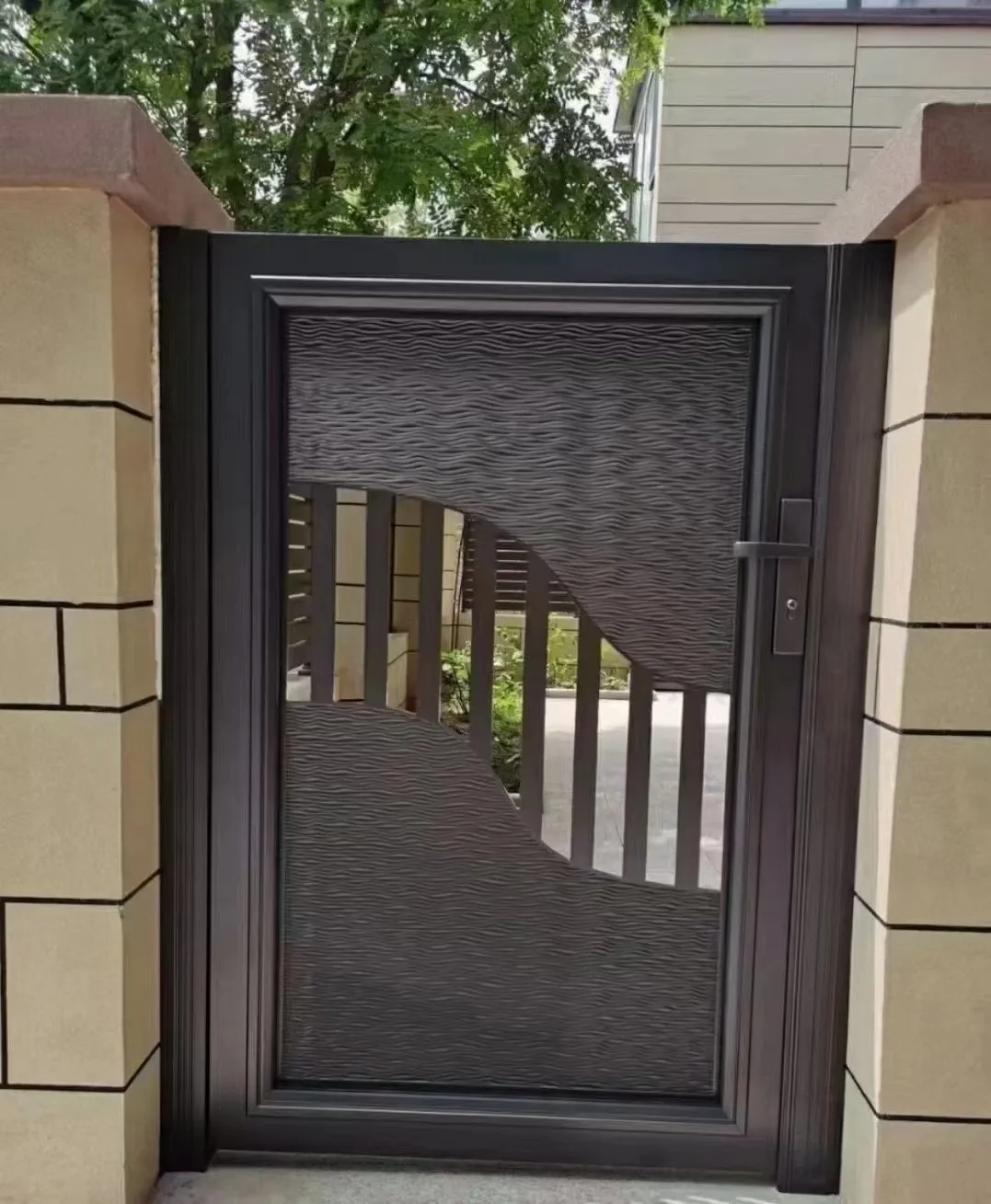
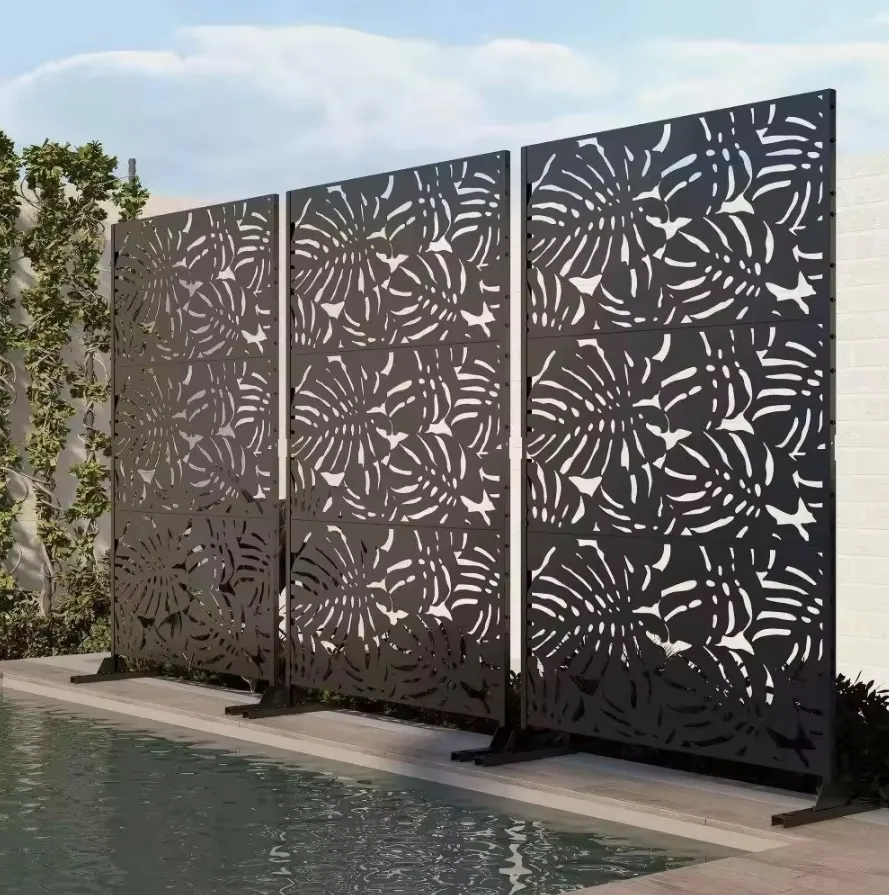
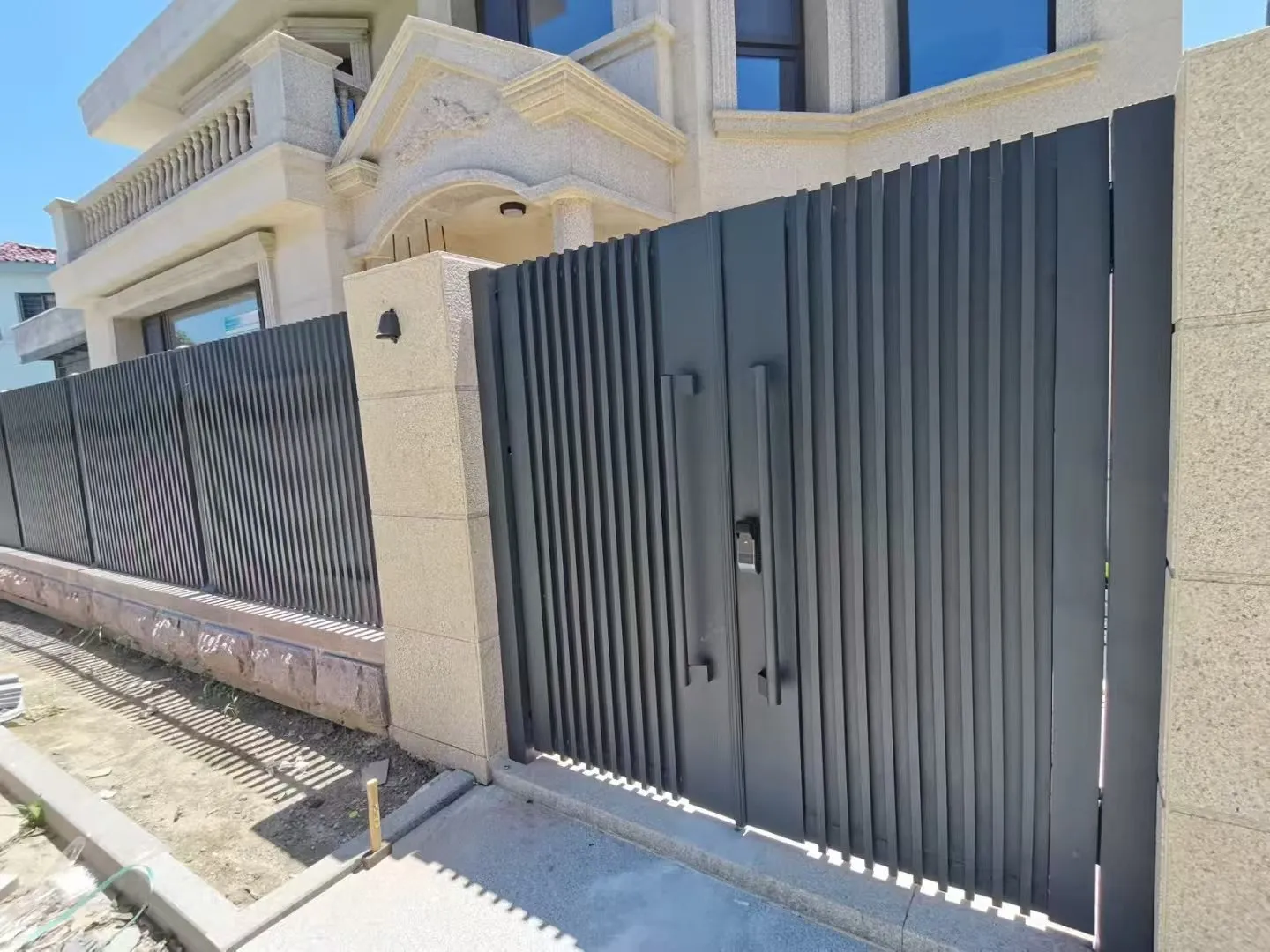
- Privacy Panels: Maximum visual shielding, high wind resistance. Best for residential estates.
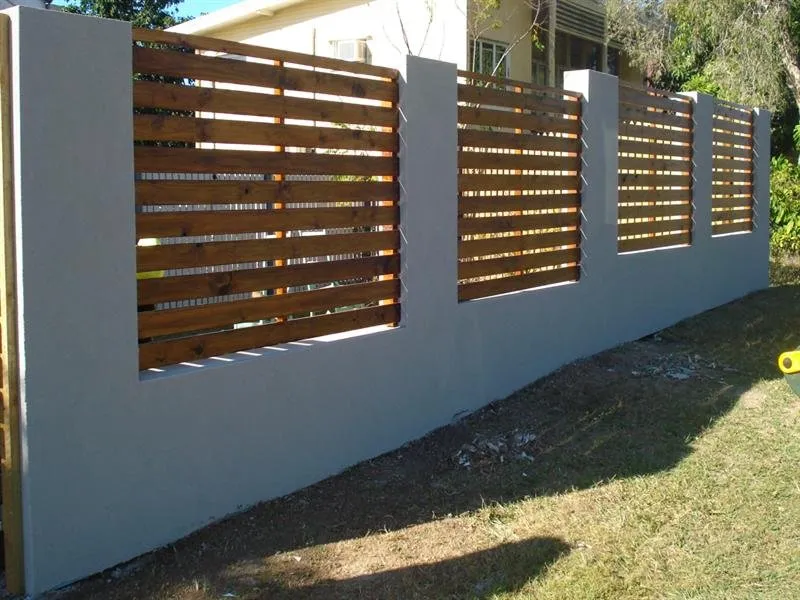
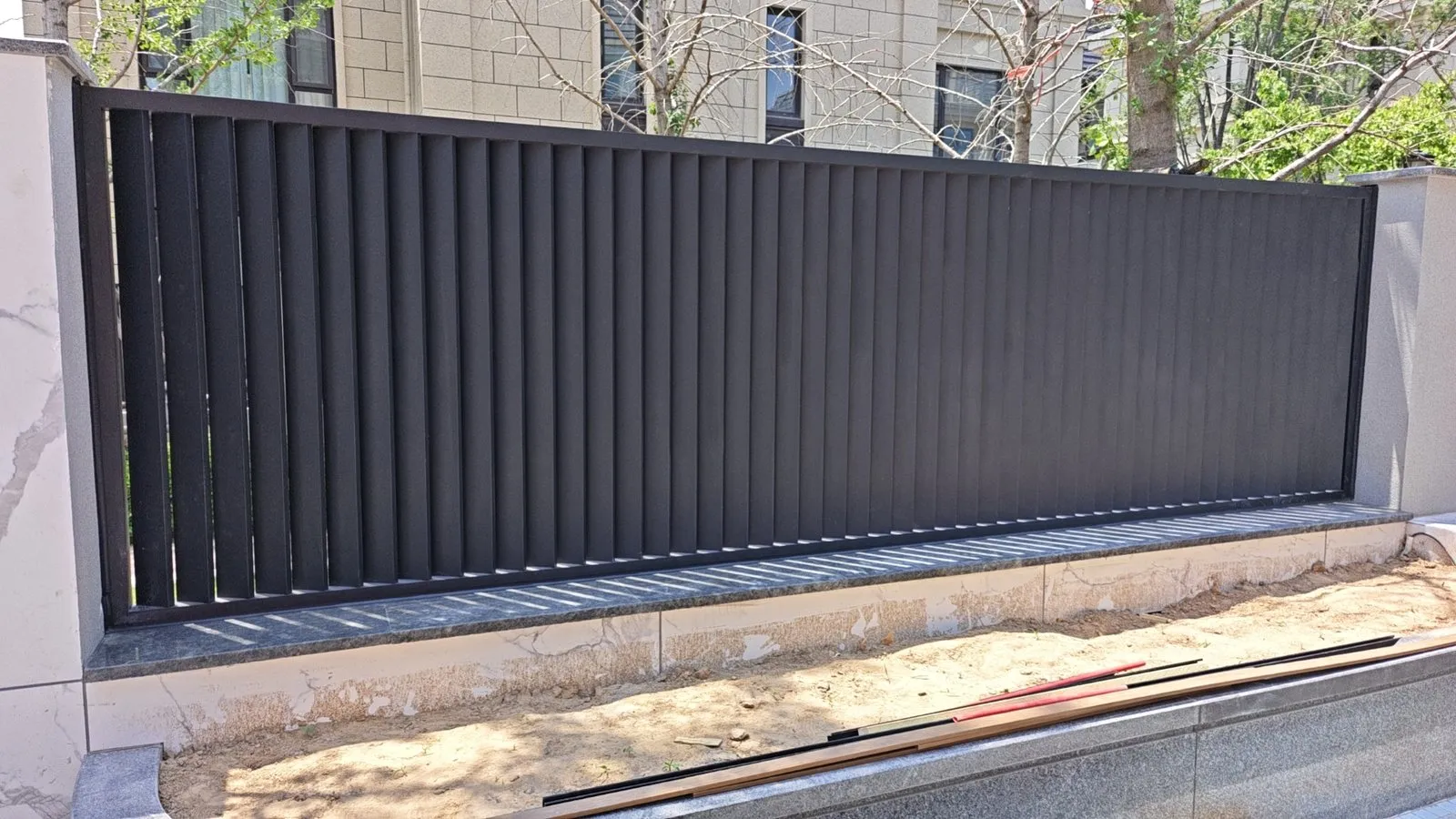
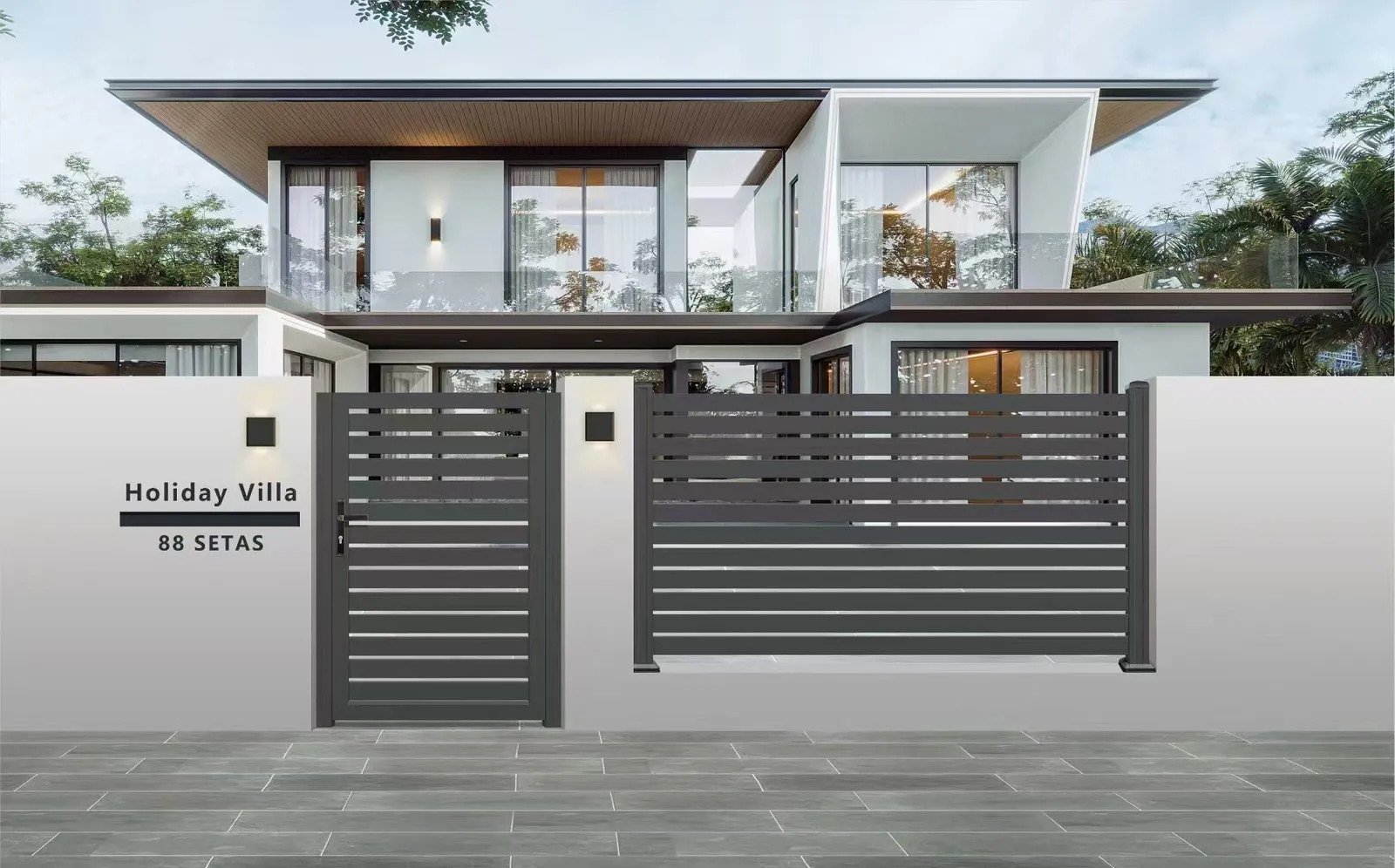
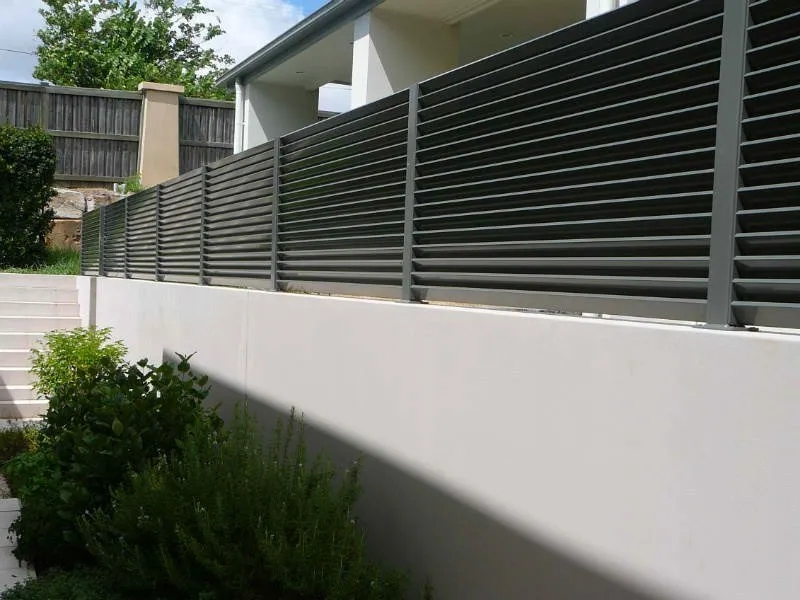
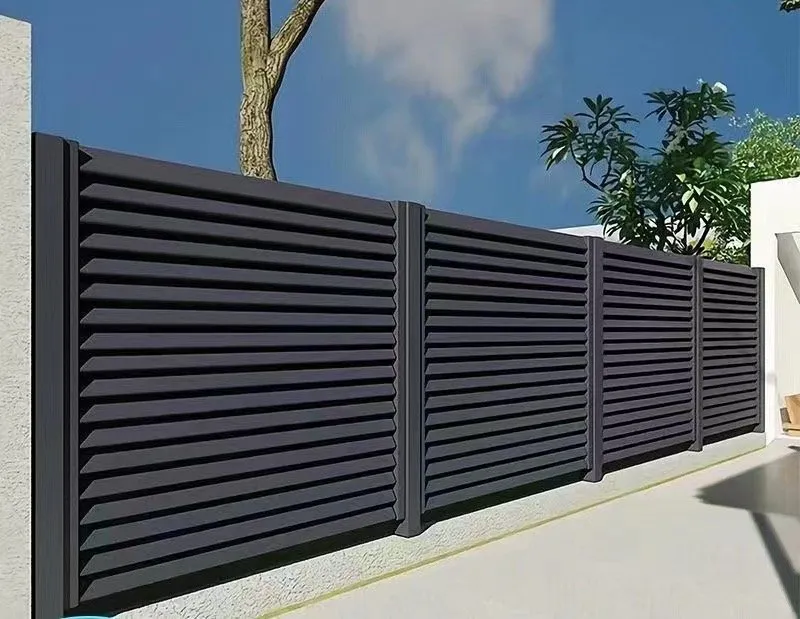
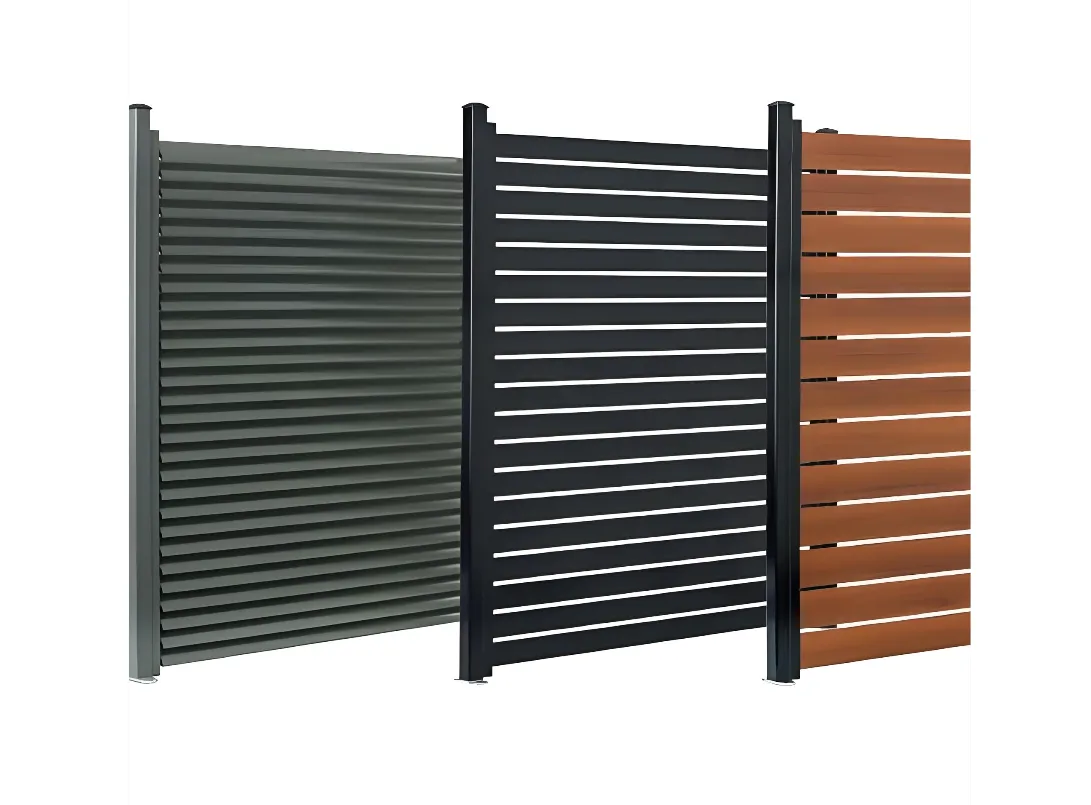
- Slat Systems: Modern linear aesthetic, adjustable airflow. Ideal for contemporary facades.
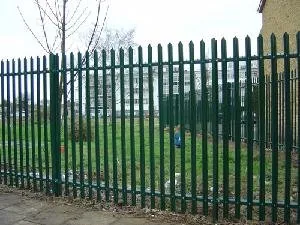
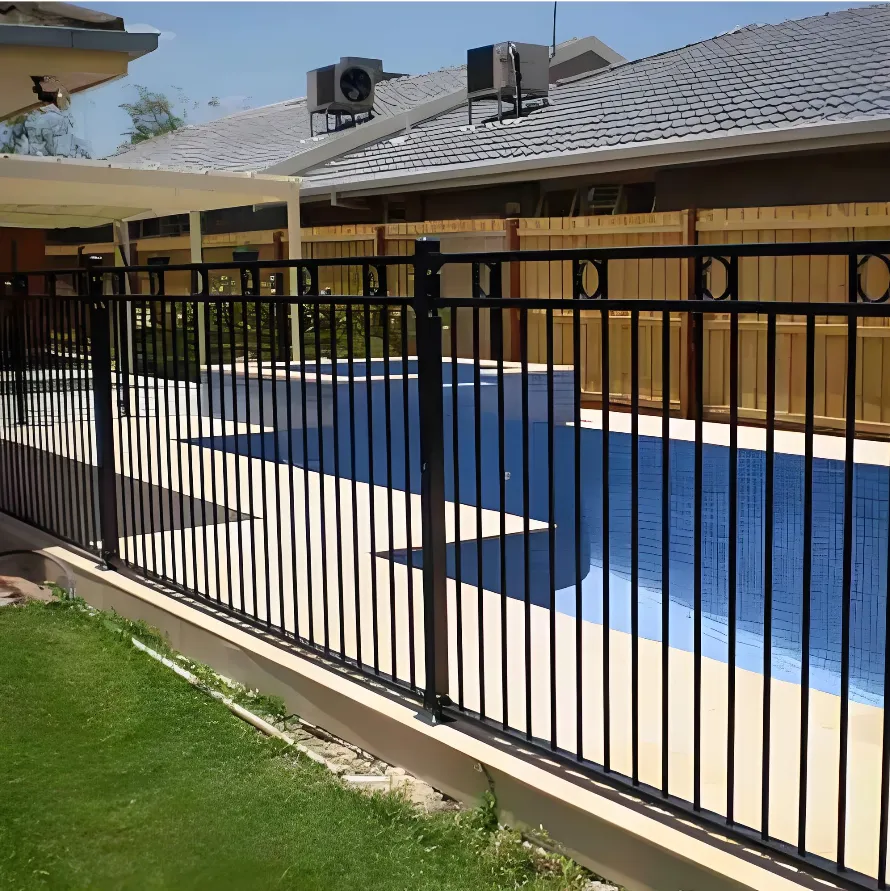
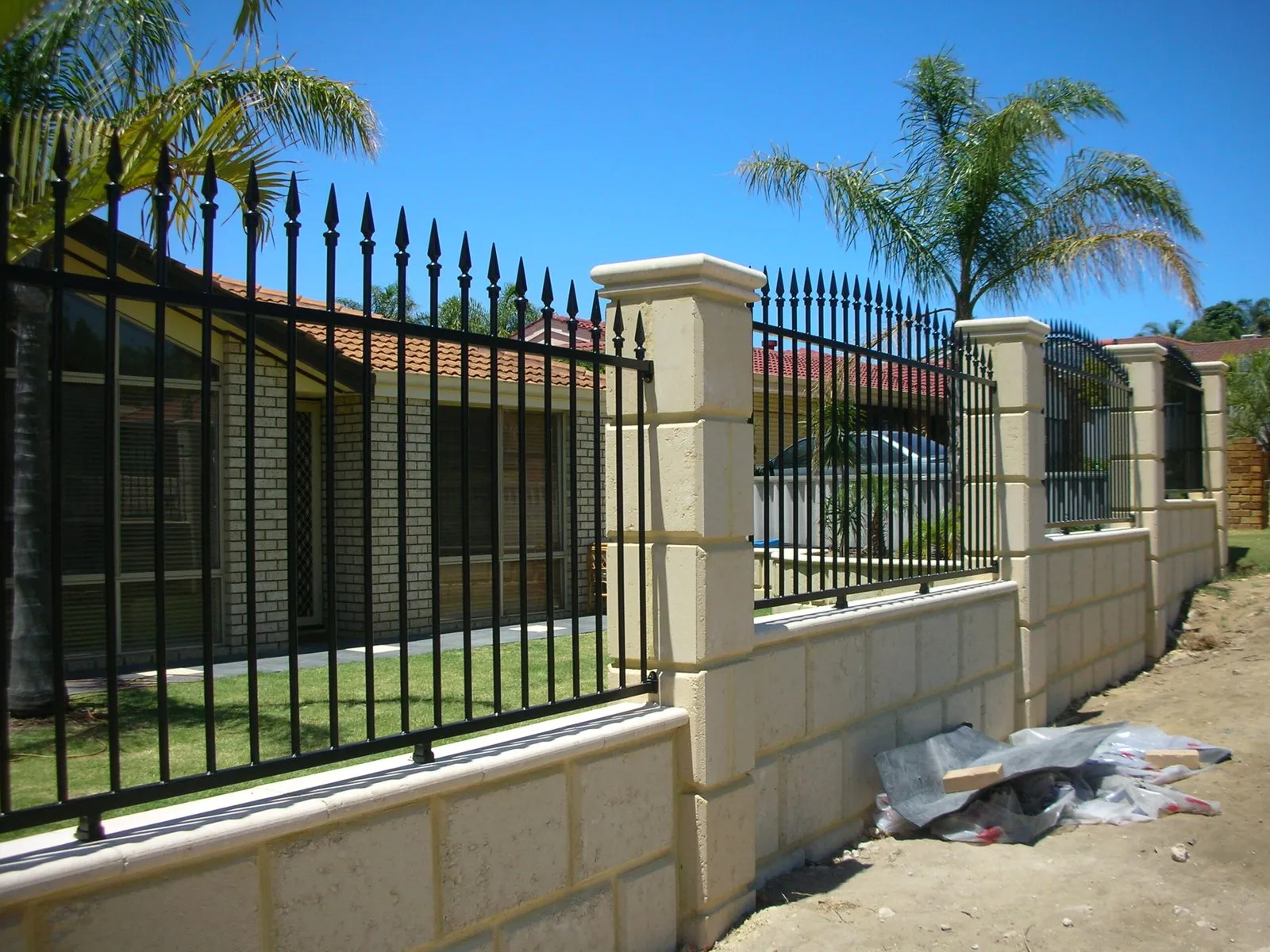
- Vertical Bar: Traditional security, excellent anti-intrusion properties. Common in commercial perimeters.
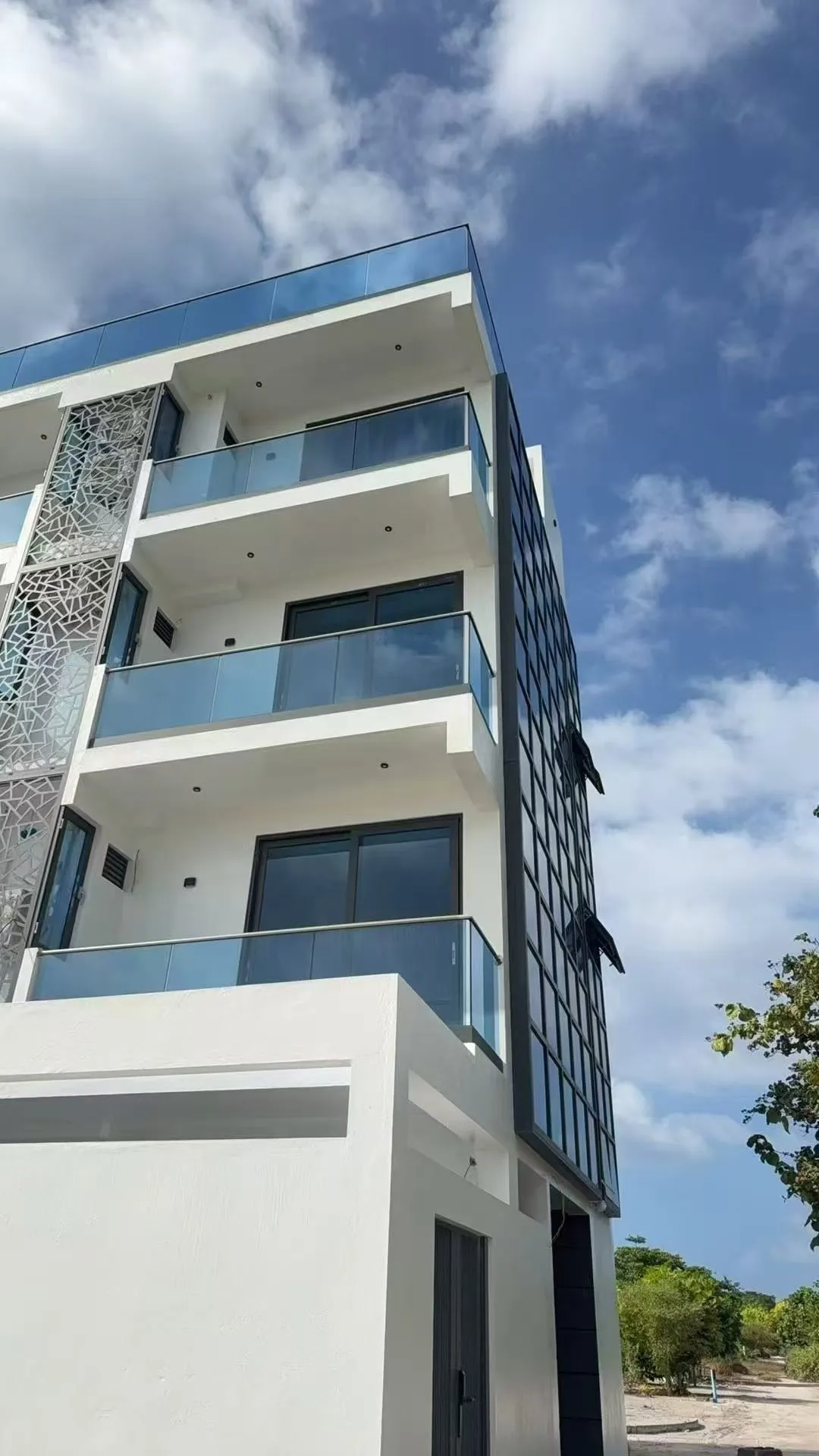
- Hybrid Systems: Integrating railing and fencing for unified balcony and terrace designs.
3. Manufacturing & Specification Checklist
When defining your project requirements, ensure you specify:
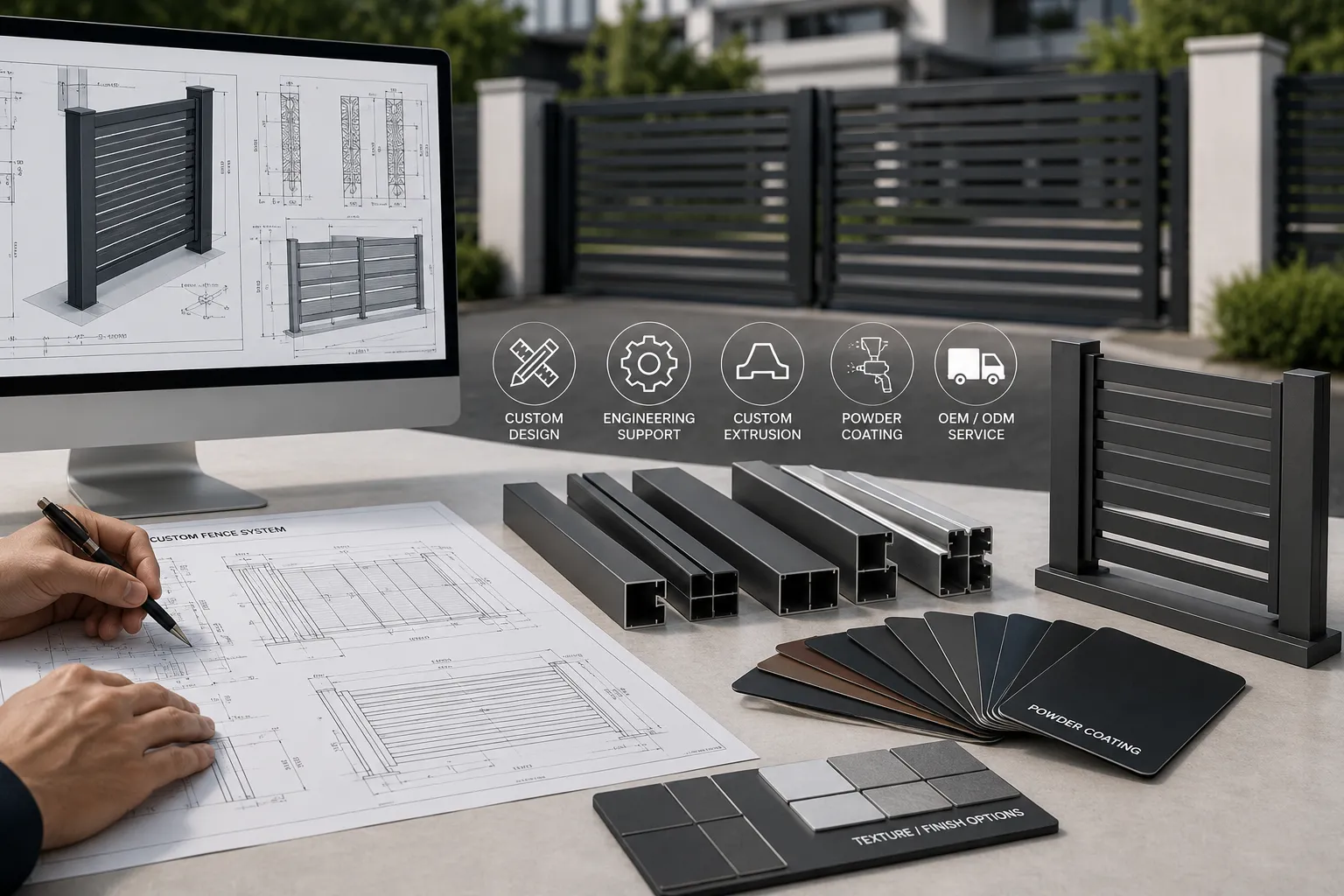
- Dimensions: Panel height, length, and post spacing.
- Surface Finish: Powder coating (standard) vs. PVDF (for highly corrosive coastal areas).
- Color: Exact RAL color matching for architectural integration.
- Load Requirements: Local wind load and structural codes.
| Material | Corrosion Resistance | Weight | Maintenance |
|---|---|---|---|
| Aluminum | Excellent | Lightweight | Very Low |
| Steel | Moderate (requires galvanizing) | Heavy | Moderate |
| Wood | Poor | Medium | High |
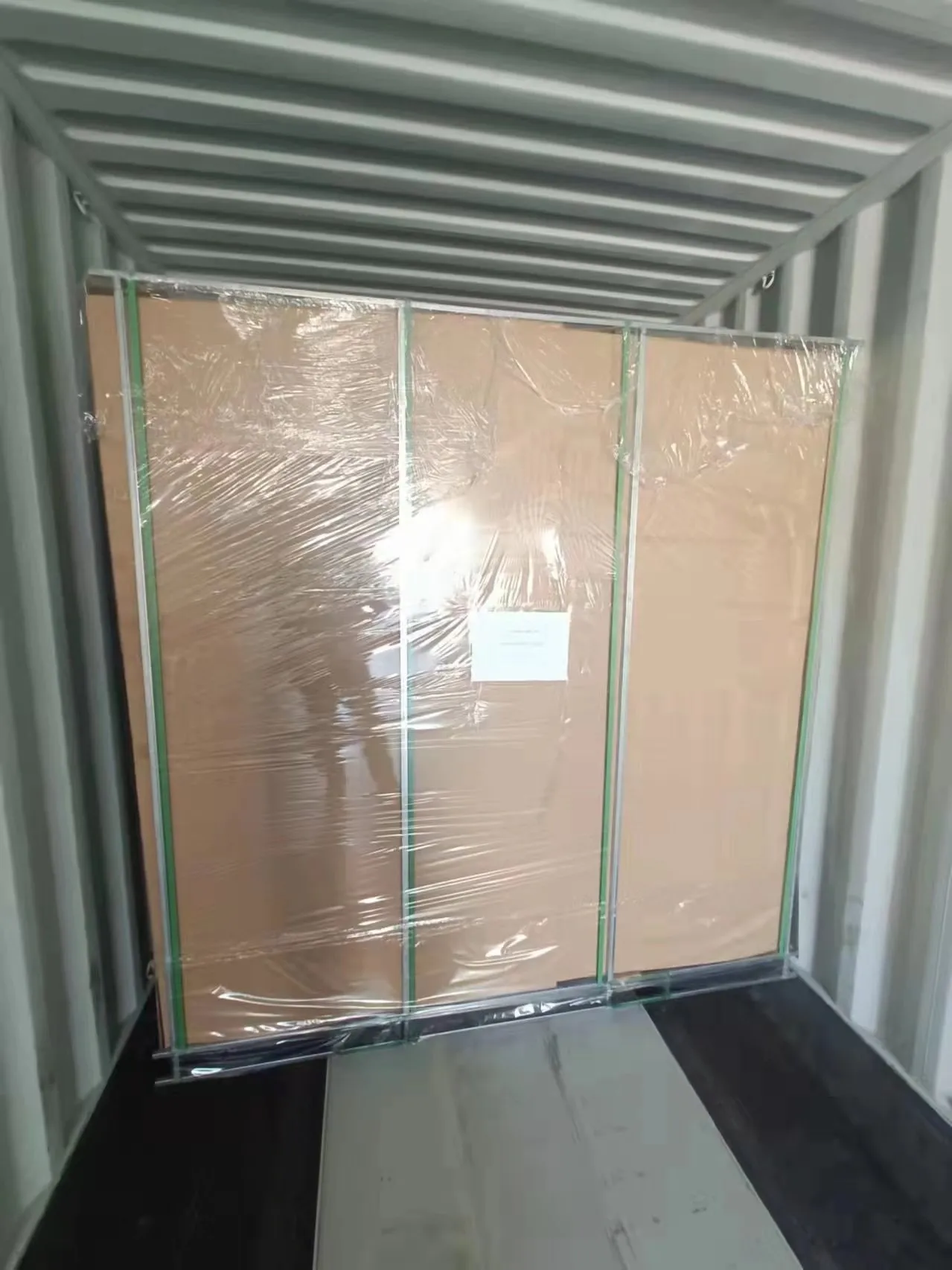
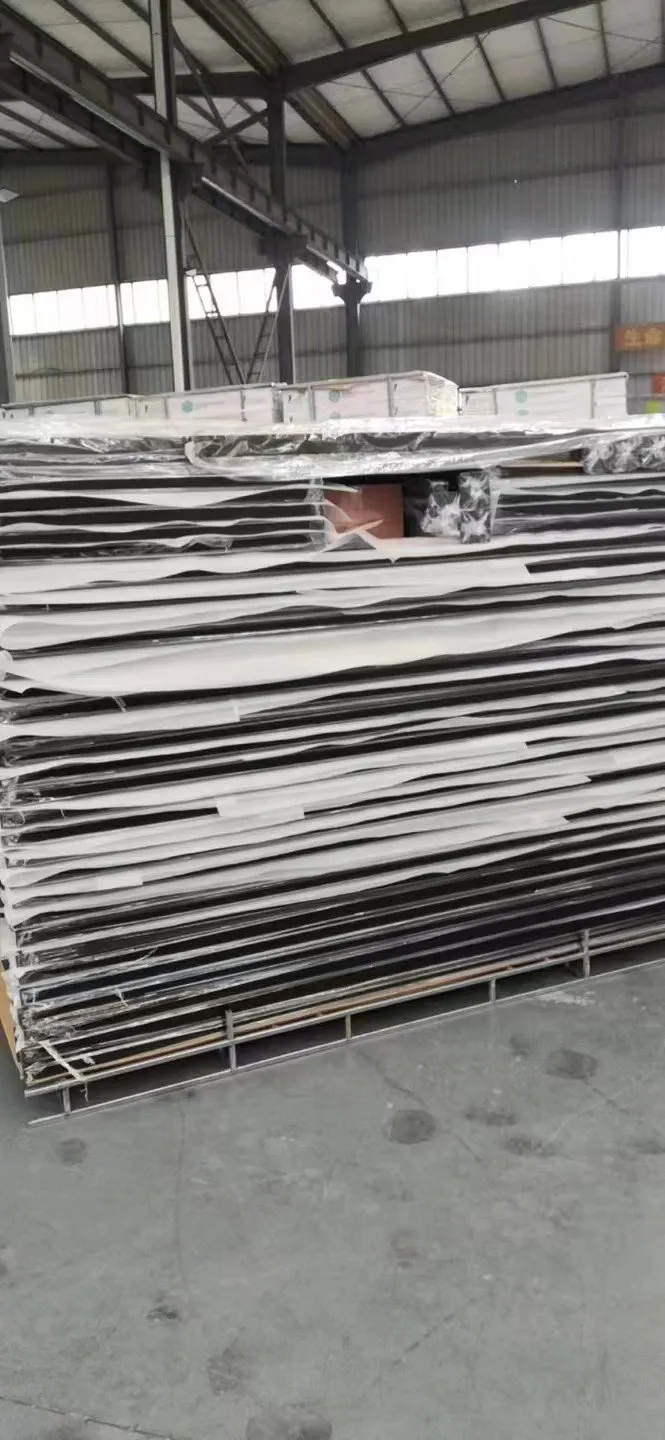
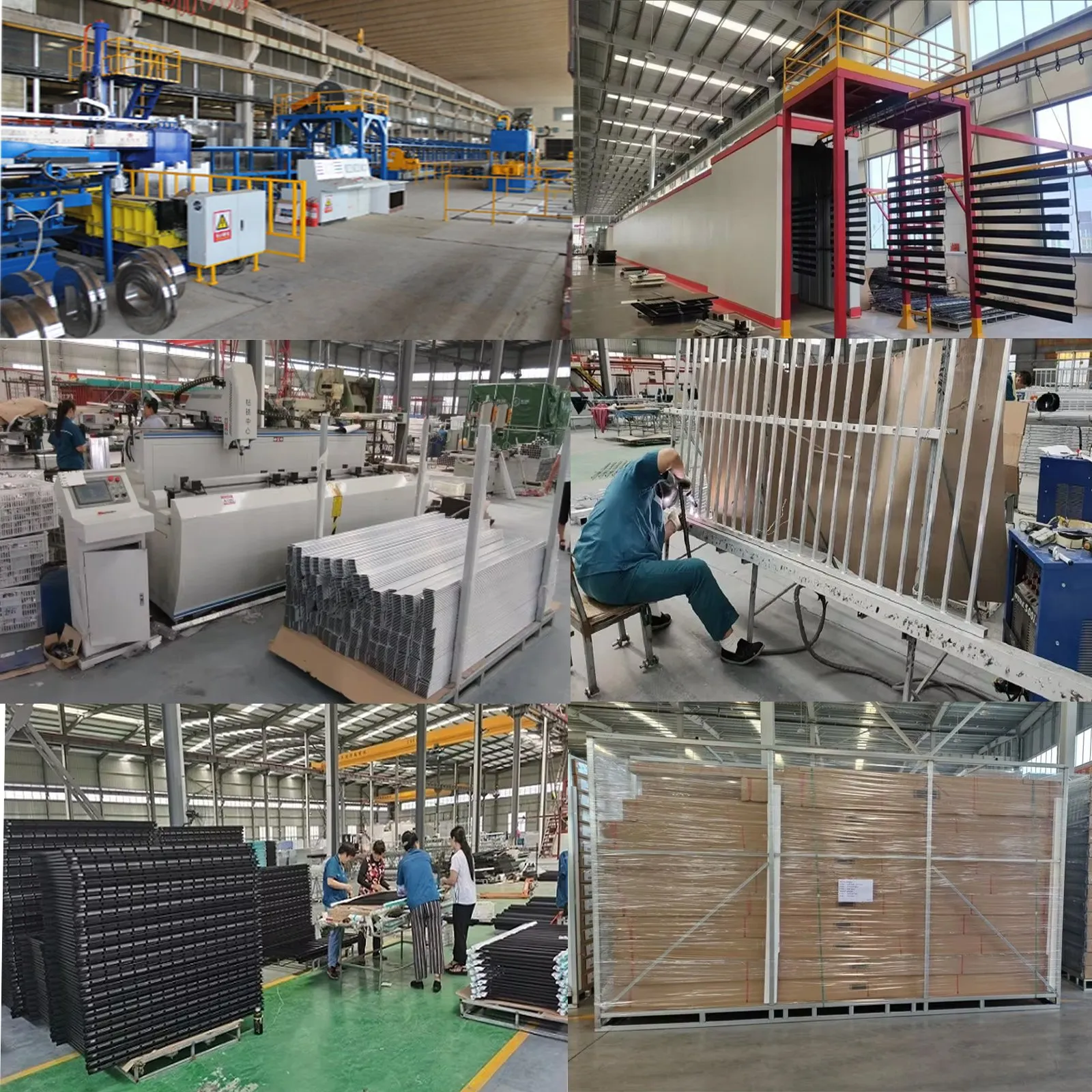
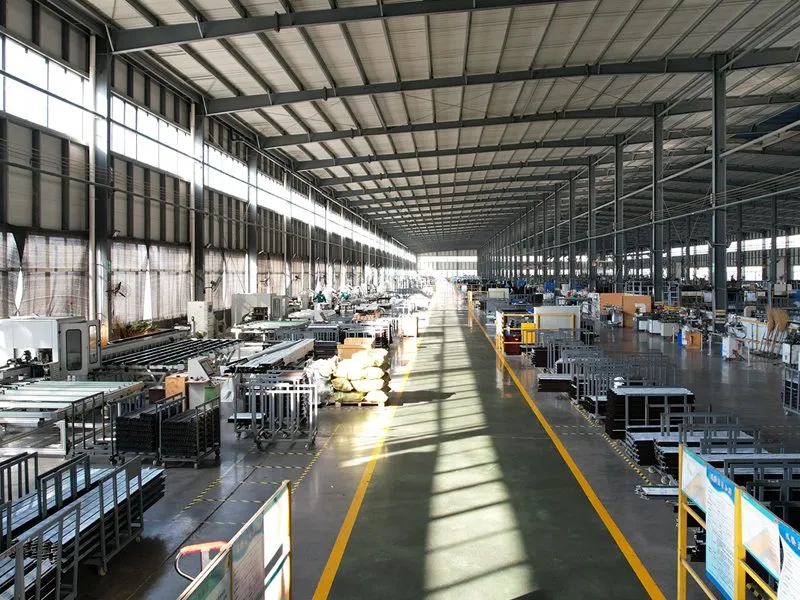
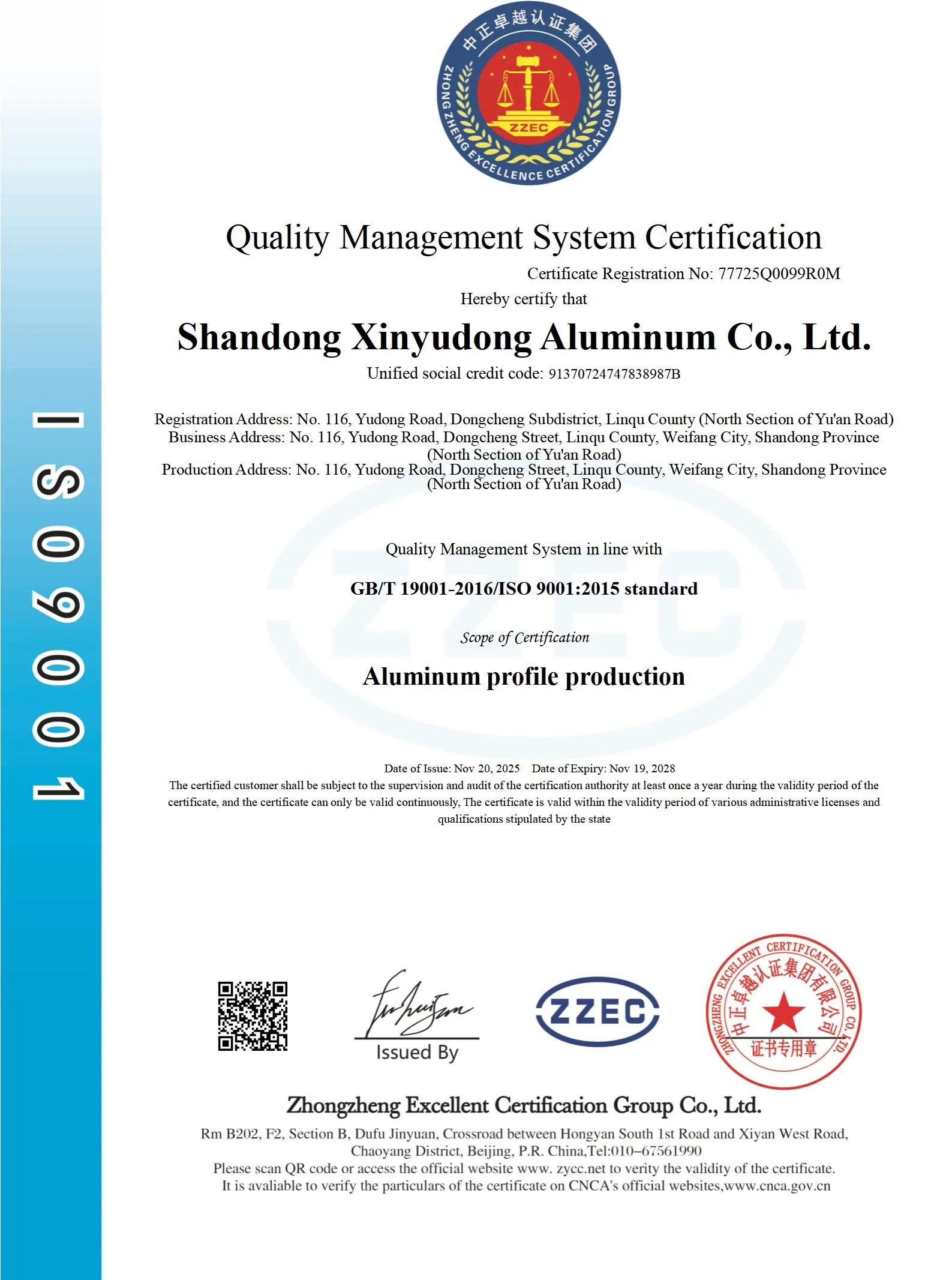
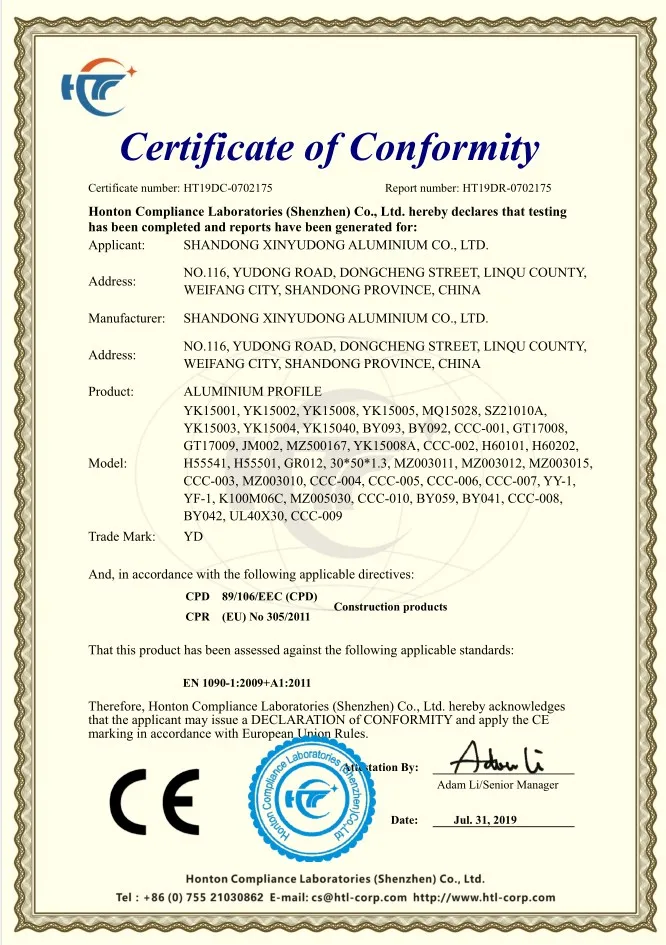
Summary: Choosing the right fencing system ensures long-term durability, architectural harmony, and structural safety. Partnering with a factory-direct manufacturer like YD Aluminum guarantees quality control from extrusion to final assembly.