Decorative Panels
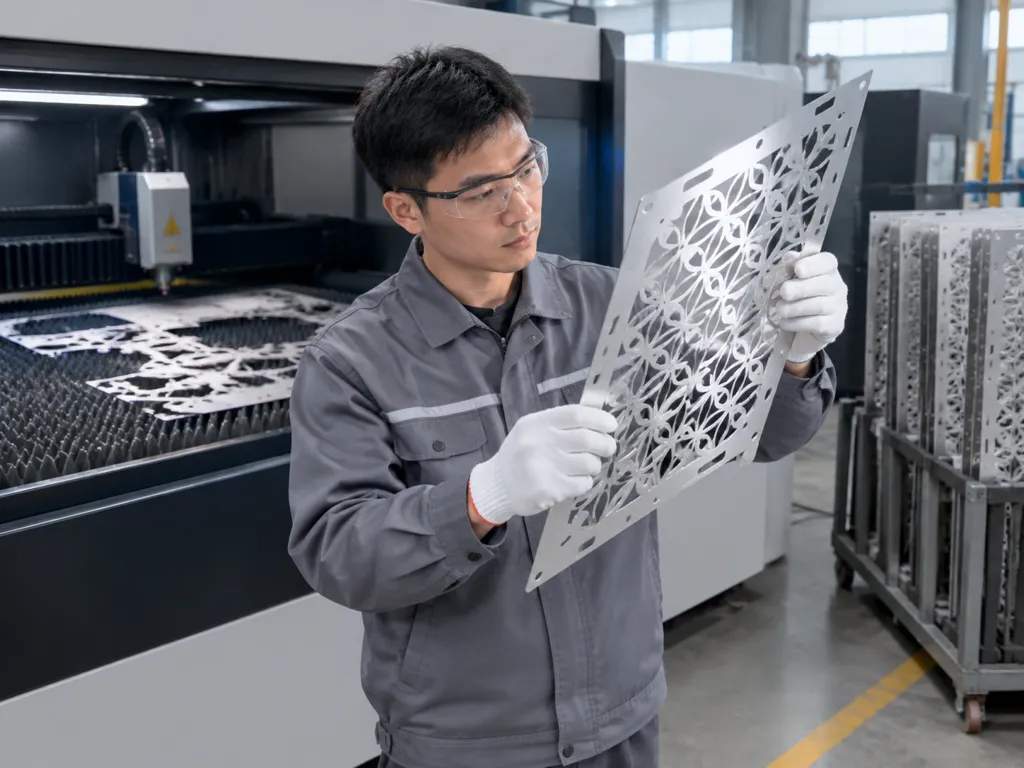
Patterns and openings for screens, infill panels, gates and architectural features.

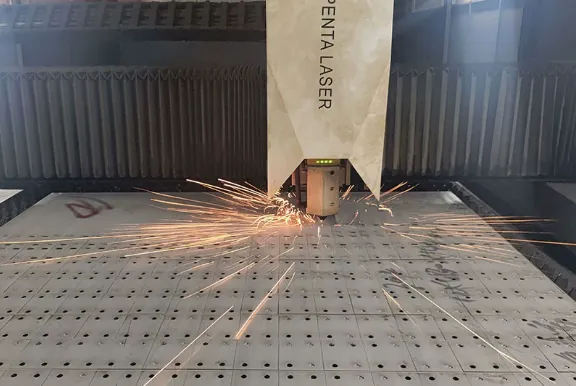
Drawing-based cutting for custom aluminum panels, patterns and components, with downstream machining, welding and finishing coordinated when the project requires them.
CAD-driven production
Built from approved geometry
Custom patterns
Panels and shaped parts
Process coordination
From cutting to finishing
Drawing-based checks
Features reviewed by project
What this service covers
The cutting route is reviewed against part geometry, visible surfaces, follow-on operations and the way each component fits the finished assembly.
Patterns and openings for screens, infill panels, gates and architectural features.
Custom outlines, holes and internal features produced from approved drawing files.
Repeated parts organized by drawing revision, assembly group or installation sequence.
Cut parts can proceed to machining, welding, surface finishing and packing.
Production route
Each job begins with a drawing review. Material, geometry, visible faces and downstream requirements are confirmed before the production route is agreed.
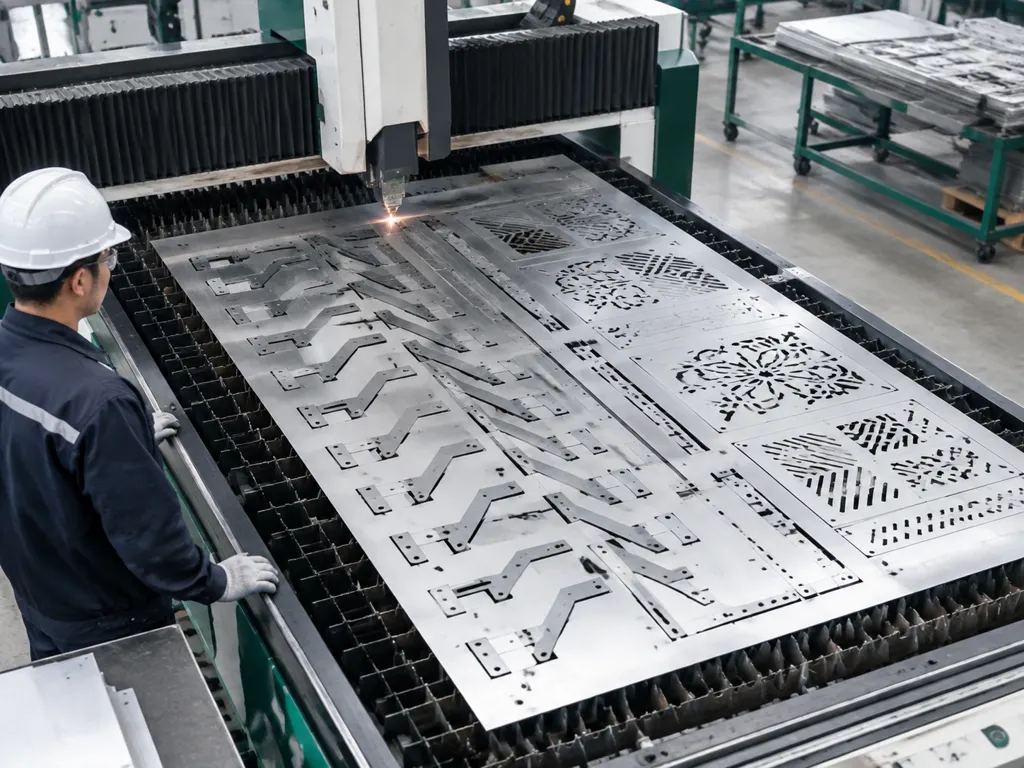
Part geometry, dimensions, quantities and critical features are identified.
The team reviews material requirements and arranges the cutting plan.
Parts are produced and kept aligned with the relevant drawing or component group.
Specified features are checked before packing or transfer to further fabrication.
Design and ordering
Laser cutting is most useful when the geometry, edge expectations and next manufacturing step are defined together. The review should cover more than the outside profile alone.
| Decision | What to define | Why it matters |
|---|---|---|
| Material and starting form | Alloy or specification, sheet or plate form, thickness and supplied surface condition. | Establishes whether the project suits the available cutting route and how faces are handled. |
| Geometry and nesting | Outside profile, internal openings, pattern direction, quantity and permitted part orientation. | Influences layout, repeated-part control, material use and component identification. |
| Fine and heat-sensitive features | Narrow webs, small holes, sharp internal details, close spacing and areas sensitive to movement. | Flags geometry that may need adjustment, another operation or project-specific review. |
| Edge and surface condition | Visible edges, burr expectations, primary face, protective film and handling requirements. | Defines the supplied condition and any deburring or edge preparation after cutting. |
| Downstream fabrication | Bending, CNC work, welding, coating, hardware and final assembly relationship. | Allows orientation, allowances, reference features and process order to be planned together. |
| Inspection and delivery | Critical dimensions, appearance points, part labels, packing groups and destination. | Focuses checks on function and keeps repeated parts organized after cutting. |
From process to product
Laser cutting may supply a flat component, a decorative infill or the first operation in a fabricated product. The required output condition should be defined before nesting and cutting.


Typical project uses
The same drawing-controlled route can support architectural appearance parts and functional components, subject to material and equipment review.
Repeating patterns, borders, mounting holes, orientation marks and panel identification.
Decorative or privacy panels prepared for framing, welding, coating and hardware clearance.
Openings and outlines aligned with access, ventilation, fasteners and visible-face requirements.
Functional blanks prepared for bending, machining, welding or mechanical assembly.
Cut lettering, motifs and shaped elements with primary-face and finish requirements defined.
Nested part families identified and grouped for later fabrication or installation stages.
Part planning
Flat patterns, decorative panels and functional blanks each need a different review of file status, edge condition, part stability, identification and later processing.
Quality and delivery checklist
Prepare your RFQ
A clean 2D cutting file and a dimensioned PDF are useful. Include units, revision, material form, quantity and any critical or visible features.
Yes. The project can be reviewed for CNC machining, bending, aluminum welding, surface finishing, assembly and packing as one production route.
Mark the primary face and visible edges on the drawing. State whether deburring, edge refinement, film retention or special handling is expected.
These depend on the design, material and production route. Send the drawing so our team can review the project-specific requirements.
Start with your drawing
Share the available files and project context. Our team will identify any details still needed for quotation.
Global Sales Inquiry
sales@ydaluminum.com
Direct Factory Line / WhatsApp
+86 18265687032 Open WhatsApp